GENERAL QUESTIONS
1What is Natina?
Natina is an eco-friendly, reactive color treatment for galvanized steel, concrete and rock surfaces that creates a natural brown finish. It reduces visual impact by helping infrastructure blend into surrounding landscapes.
Unlike paint, Natina bonds with the surface to create a long-lasting, low-maintenance finish free of VOCs. From poles and fences to CMU walls and rock slopes, Natina is widely used in energy, transportation, utility, city and public projects.
2How is Natina different from a paint, coating or stain?
Natina reacts with the material surface instead of covering or coating it. That means no peeling, fading or flaking with less maintenance over time. It’s also natural, non-toxic and safe for wildlife, vegetation and the environment.
3What materials does Natina work on?
Natina treats all galvanized steel parts and structures, plus concrete and rock surfaces. Natina is not suitable for stainless steel, wood, plastic or painted surfaces.
4What color does Natina create?
Natina creates natural, earthy brown tones with a mottled look. Since Natina is a natural product, color may vary by material and surface for a unique finish. For concrete and rock, test samples help guide shade selection from tan to deep brown. In all cases, the result is a distinctive finish that mimics the tones of the natural environment.
5Is Natina environmentally safe?
Yes. Natina is biodegradable, non-toxic and VOC-free. Our color reacts and stays on the material and does not flake off. It's safe near water sources, plants and wildlife.
6How long does it last?
The Natina Reactive Treatment lasts as long as the material itself. No reapplication needed.
7Will it harm galvanized steel or cause rust or corrosion?
No. Natina leaves the galvanized zinc layer intact.
8Who uses Natina?
Used by DOTs, utility companies, cities, telecom, municipalities and designers for roads, poles, parks and infrastructure requiring aesthetic compliance.
While we don’t work on projects for individual homeowners, we’re proud to support the public and commercial spaces that communities rely on every day.
9Is Natina cost-effective?
Yes. It reduces long-term maintenance costs and extends the life and appearance of treated materials.
10Is Natina generally considered safe?
Yes, Natina is a natural product and has been through rigorous environmental testing. Natina is safe to handle and has no VOCs. We recommend using rubber gloves and wearing eye protection when mixing or handling because it can discolor skin and clothing.
11Is Natina safe to use around plants, water and surrounding wildlife?
Yes, Natina is safe to use around plants and wildlife without any VOCs. It can improve soil nutrient value which benefits surrounding plants, wildlife and aquatic plants.
12Is Natina generally considered safe?
Yes, Natina is a natural product and has been through rigorous environmental testing. Natina is safe to handle and has no VOCs. We recommend using rubber gloves and wearing eye protection when mixing or handling because it can discolor skin and clothing.
WHERE NATINA IS SPECIFIED AND PERFORMS
1Who uses Natina?
Natia is trusted by departments of transportation, energy and utility providers, cities, zoos, telecom companies, municipalities and designers for roads, power poles, parks, and infrastructure where aesthetic compliance and enhancement are essential.
2Is Natina approved for Department of Transportation (DOT), highway and traffic uses?
Yes. It is used by various government agencies across the country and meets compliance, environmental and visual design standards.
3What about utility poles and energy projects?
Absolutely. Natina is used by major utilities, telecom and energy structures to blend galvanized poles, towers and substations into the landscape without compromising performance.
4Can Natina be used in parks and streetscapes?
YES! Nationally, Natina helps parks, cities, municipalities, public works and more to improve the look of chain-link fences, lighting, signage, sound walls and more.
5Is it allowed near wetlands, rivers or forests?
Of course. Natina has been reviewed and approved for use in various types of ecosystems and has been used by regulatory and environmental oversight agencies committed to conservation standards.
WHERE NATINA IS APPLIED
1Can Natina treat chain-link fences?
Definitely! Natina provides a proven solution for reducing the visual impact of chain-link fencing by replacing the reflective silver surface with natural brown tones that blend seamlessly into the surrounding environment. This makes it ideally suited for public-facing and visually sensitive projects. Unlike vinyl coatings that can peel, chip or fade over time, Natina delivers a durable, low-maintenance finish engineered for long-term performance.
2Can it be used on riprap or cut slopes?
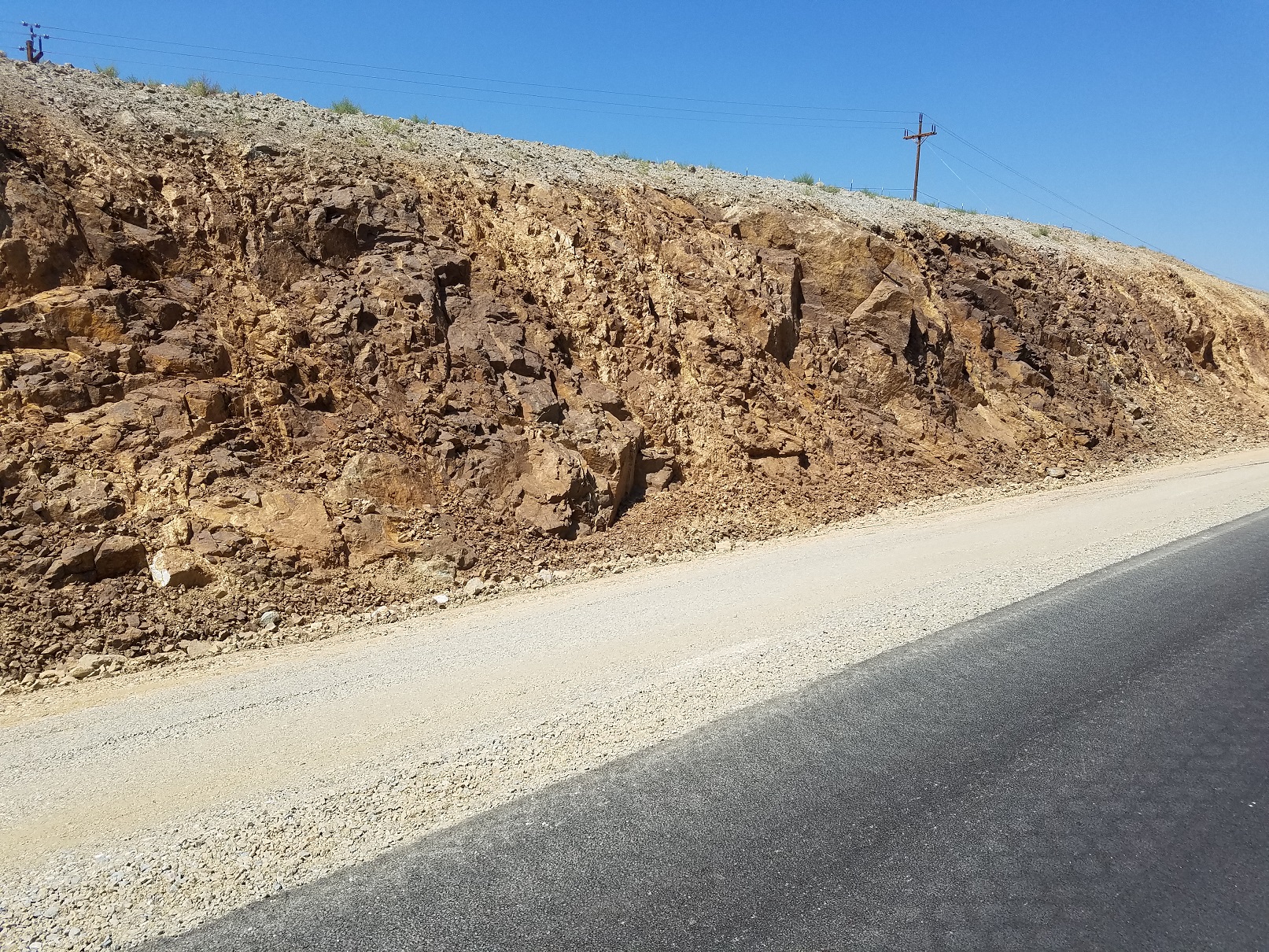
Certainly! Natina reduces the visual impact of bright, gray or white rocks in erosion control, drainage or slope stabilization and more.
3Is it compatible with CMU or concrete block?
Yes. Natina provides a natural-looking finish on CMU, ideal for architectural and commercial projects.
4What kinds of concrete surfaces can Natina be applied to?
Natina is used across all types of concrete surfaces, including walls, flatwork, block and structural features. Its natural brown tones soften the appearance of bright gray concrete, helping structures blend more seamlessly into their surrounding environment.
5Does Natina perform on vertical and horizontal surfaces?
Natina is versatile and can be applied onto walls, paths, ground slabs, poles, barriers and more.
6What project types is it best for?
Natina adapts easily across a broad range of public, utility and transportation settings. We are ideal for transportation corridors, utility sites, highways, substations, bridges, flood control or concrete channels, wildlife crossings, noise walls, stormwater structures, service enclosures, zoos and beyond.
APPLICATION PROCESS
Galvanized Steel
1How is Natina applied on galvanized steel?
Natina is sprayed onto clean galvanized steel and color starts to form within hours to produce a natural brown patina. Full color development takes 4-8 weeks.
2Who can apply Natina?
Natina is applied in a controlled setting by trained professionals to ensure consistent color and performance. Most often, the application takes place at our Casa Grande, AZ facility before materials are installed on site. This process allows for quality assurance and optimal visual results across projects.
APPLICATION PROCESS
Concrete
1How is Natina applied to concrete surfaces?
Natina is applied by trained professionals after test samples are completed and approved. The treatment reacts with the surface to create natural brown tones while preserving the texture and character of the concrete.
2Is prep required?
Yes, concrete must be fully cured, clean and free of curing compound, sealers or coatings.
Rock
1How is Natina applied on rock surfaces?
Natina is applied on-site by trained professionals after test samples are completed and approved. Natina reacts with the minerals in the rock to produce a range of natural brown tones while preserving the stone’s texture and variation.
2How is Natina applied to riprap or slopes?
Natina is sprayed directly onto the rock on site. Application methods vary based on site conditions, slope angle and access. Contact our team to discuss the best approach for your project.
WHAT TO EXPECT AFTER APPLICATION
1Does Natina peel, flake or run?
No. Natina becomes part of the surface and doesn't bleed or require sealing.
2Will it need touch-ups or reapplication?
Rarely, if ever. An application typically lasts years.
3What should I do if I see dust or residue on treated steel?
Occasionally, you may notice a fine powder, what we call "Natina dust," on the surface after treatment. This residue is non-toxic and diminishes over time. Natina is typically used on utilitarian surfaces like guardrails, transmission poles and chain-link fence, and this residue does not impact performance. For decorative applications such as handrails or façades, contact us at info@natina.com to discuss your specific project needs.
4What is the recommended maintenance for Natina?
Unlike pigment-based paints and stains, Natina is a natural, low-maintenance solution. As with any surface treatment, it can be affected by physical or chemical abrasion; however, if maintenance is required, Natina is easy to maintain and safe to handle. Our team is available to provide customized training and support tailored to your specific project needs. Contact us to discuss your application and determine whether Natina is the right solution for your project.
5
WORKING WITH OUR TEAM
1How do I request a quote or get more information?
2Can contractors apply Natina?
Typically, no. Natina is applied by Natina’s experienced application team. In select cases, certified contractors may perform the application for specific projects.
3Does Natina sell its product?
Natina is typically not sold for general use since our team handles most applications. In select cases, we may provide material to support customer maintenance operations. Connect with us at 866-797-6589 or email us at sales@natina.com to talk through your specific needs.
4Can Natina be used on homes or private residential projects?
Thanks for your interest. At this time, we don’t offer services for individual residential or homeowner use. Natina is developed specifically for commercial, municipal and infrastructure projects.
5Is Natina manufactured in the USA?
Yes. Natina is developed and produced in the U.S. using domestic and global components.