Why galvanized steel utility structures are replacing wood poles

Chain-Link and Security Fencing | Durable Design Meets Reliability
November 17, 2025
Across the United States, utilities are rethinking the materials used to support transmission and distribution systems. While wood poles have long been the standard, growing concerns around wildfire risk, durability, lifecycle cost and environmental impact are accelerating the shift toward galvanized steel utility structures.
The limitations of wood utility poles
Wood poles have historically been favored due to perceived lower upfront cost and ease of installation. However, their limitations are becoming more pronounced as utilities face harsher operating conditions and higher reliability expectations.
Fire risk
Wood is inherently combustible. In wildfire-prone regions, wood poles can ignite, fail structurally and contribute to fire spread.
According to the U.S. Department of Energy, infrastructure hardening efforts increasingly prioritize non-combustible materials to
reduce wildfire ignition risk.
Source: U.S. Department of Energy

Decay and pest damage
Wood poles are susceptible to rot, fungi and insect infestation. Even treated wood degrades over time, especially in wet, humid or coastal environments. Utilities must routinely inspect and replace poles as degradation accelerates.
Source:
Electric Power Research Institute (EPRI)
Shorter and variable lifespan
While some wood poles may last decades, service life varies widely depending on soil conditions, moisture and climate. Studies estimate typical lifespans of about 30, with earlier replacement common in high-risk environments.
Source: Wood Pole Council
Environmental concerns
Preservatives used to extend wood pole life can leach into soil and groundwater. Regulatory scrutiny around treated wood disposal and environmental exposure continues to increase.
Why utilities are moving to galvanized steel structures
Galvanized steel poles and structures address many of the risks associated with wood while supporting modern grid hardening initiatives. Since steel does not burn, galvanized steel structures significantly reduce the risk of ignition and structural failure during wildfire events, making them especially beneficial in fire prone regions. According to the California Public Utilities Commission’s Wildfire Mitigation Plans, this non combustible characteristic is a key advantage for utilities seeking to minimize fire related vulnerabilities.
In addition to fire resistance, galvanized steel offers a notably longer service life. Many galvanized steel utility poles achieve lifespans up to 80 years or more, depending on environmental exposure. This extended durability reduces replacement cycles and lowers total cost of ownership over time, as noted by the American Galvanizers Association. Steel is also immune to rot, insect activity and biological decay, and hot dip galvanization provides corrosion protection across a wide range of climates, including high humidity and coastal regions, according to the Federal Highway Administration.
Unlike wood, galvanized steel maintains consistent structural properties and predictable performance across installations. This uniformity simplifies engineering, inspection and long term asset management, ensuring utilities can rely on a material that behaves consistently throughout its service life.

Lifecycle cost and reliability advantages
While galvanized steel structures may carry a higher upfront cost than wood, utilities are increasingly shifting their focus toward lifecycle performance rather than initial expense. When long term factors such as reduced inspection frequency, fewer replacements, improved safety outcomes, lower wildfire risk and greater overall reliability are considered, galvanized steel often provides a significantly lower total cost of ownership over the life of the structure. This broader lifecycle perspective aligns with findings from the National Renewable Energy Laboratory (NREL), which highlights how durable materials contribute to improved long term system economics.
Source: National Renewable Energy Laboratory (NREL)
Supporting permitting and community expectations
Public and regulatory scrutiny of utility infrastructure continues to increase, particularly in scenic, residential and environmentally sensitive areas. Utilities are now expected to consider visual impact alongside performance and safety.

Steel structures provide a durable foundation, and when paired with thoughtful design, aesthetics and mitigation strategies, they support smoother permitting and stronger community acceptance.
Where color treatments come into play
As utilities transition from wood to steel, visual considerations often emerge. Bare, shiny galvanized steel can appear bright or industrial in certain settings.
In response, some utilities incorporate reactive surface treatments that work with galvanized steel to soften glare, naturalize the structures and improve visual integration. Natina’s earth-tone brown finish is designed specifically for this purpose. Unlike paint or coatings, Natina does not sit on top of the surface but reacts with the steel to create rustic brown tones while preserving corrosion protection. This allows utilities to adopt steel infrastructure without sacrificing visual compatibility in sensitive or high-visibility areas.

The future of utility infrastructure
The move away from wood poles reflects a broader shift toward resilient, fire-resistant and long-lasting infrastructure. Galvanized steel structures are increasingly specified across transmission, distribution and substation projects nationwide.
As grid demands increase and environmental conditions grow more extreme, utilities are prioritizing materials that support safety, durability, lifecycle performance and community expectations.
Learn more
Explore how Natina enhances utility structures across transmission, distribution and substation projects on our steel structures page.

Natina
Related posts


Customer Success Stories
We used Natina Rock Solution to help visually mitigate some scarring on a small rock bench in the Yosemite National Park. I was very pleased with the results of the solution and found it to be appropriate and beneficial for this type of use.
Brad Lewis
Yosemite National Park

Natina is the perfect treatment for many landscape projects. When metalwork and concrete are a part of our exterior landscape designs, Natina offers an ideal way to create a natural look for introduced elements. Our office has specified Natina on metal, concrete, and even boulders to achieve the right color for natural landscapes. We’ve used Natina on items that need to function within the urban landscape as barriers and to direct pedestrian movement. The clients also like the low maintenance or need for sealers on the finished product. Natina reps are so helpful in ensuring that the details are addressed for the perfect end result!
Janet Waibel
Waibel & Associates

Thurston County used Natina’s Reactive Color Treatment on our most recent installation of guardrail along Waddell Creek Road and Gate Road. Natina’s final finish provided an aesthetic shade of brown to blend into the beautiful surrounding environment. This natural look was a must-have along Thurston County’s Bountiful Byway.
Brian Meier
Thurston County Public Works

For our project in the Shoshone National Forest, there is a significant color reaction between the Natina Concrete Solution and the shotcrete wall (along with soil-nailing). In just over 2 weeks, the color treatment progress was extremely successful in mitigating the brighter gray surface. In our opinion, it better blends into the slope than the adjacent monotone single color block retaining wall. Natina Solutions plus material costs and two USFS salary days was very cost-effective and saved us time and money.
Darin Martens
U.S. Forest Service

Natina has a wonderful brown hue spectrum for our concrete project’s desert palette. These solutions help to blend bland gray concrete, which is an eyesore, into our desert landscape for a more natural aesthetic. Being environmentally friendly is another reason Natina Solutions are chosen over other products that are calked full of chemicals, VOC’s, and other environmentally unfriendly ingredients. Natina is inexpensive compared to integral colored concrete, helps us get the perfect color we want every time, and we know it will save the project money.
Rob Loftis
MRWM Landscape Architects

I have worked with Natina for years on many guardrail projects throughout Colorado. My team and I have recommended their steel color because of its natural finish. Natina’s environmental stain is a wonderful color alternative to blend in with Colorado’s beautiful mountains. Natina is easy to work with and we have enjoyed our long relationship.
Cyndi Adams
Adarand Constructors

On our recent multi-modal improvement project in Northern Nevada, we wanted to ensure the metal features blended into the surrounding high desert landscape. Natina was an ideal color option to change the shiny metal pedestrian railings and guard rails into a natural, rustic brown. I recommend Natina Steel Solution for projects that need an aesthetic look and color for galvanized metals.
Barb Santner
Stantec

As a guardrail installer, we see miles and miles of guardrail and have worked with various kinds of companies. Gonzales Construction has worked with Natina on many transportation projects over the years. We recommend Natina Steel Solution to other clients over paint, weathering steel and powder coating. We have only had good experiences with them and top-notch customer service. We will continue to use Natina for all of our galvanized surface needs.
Jeremy Gonzales
Gonzales Construction Company, Inc.

Natina was exactly what we needed at the Phoenix Zoo. At our Visayan warty pig habitat, we were looking for a safe product for this species, plus one that would withstand the harsh climate in Arizona, as well as require little upkeep. Natina was approved by our zoo veterinarians for the enclosure and agreed upon by our operations team for the low maintenance factor. The brown finish blended in well for this exhibit and we are happy with the results.
Joe Wilkes
Phoenix Zoo, Arizona Center for Nature Conservation

We have been using Natina for almost 10 years. They have an extraordinary team supporting us with any questions, orders and logistics. The Natina Rock Solution is environmentally-safe and works great on naturalizing and blending the color into its surroundings. The earthy browns created with Natina help us and our clients' projects look beautiful. We look forward to continuing our exceptional relationship with Natina!
Launa Spendlove
Instant Jungle Landscape
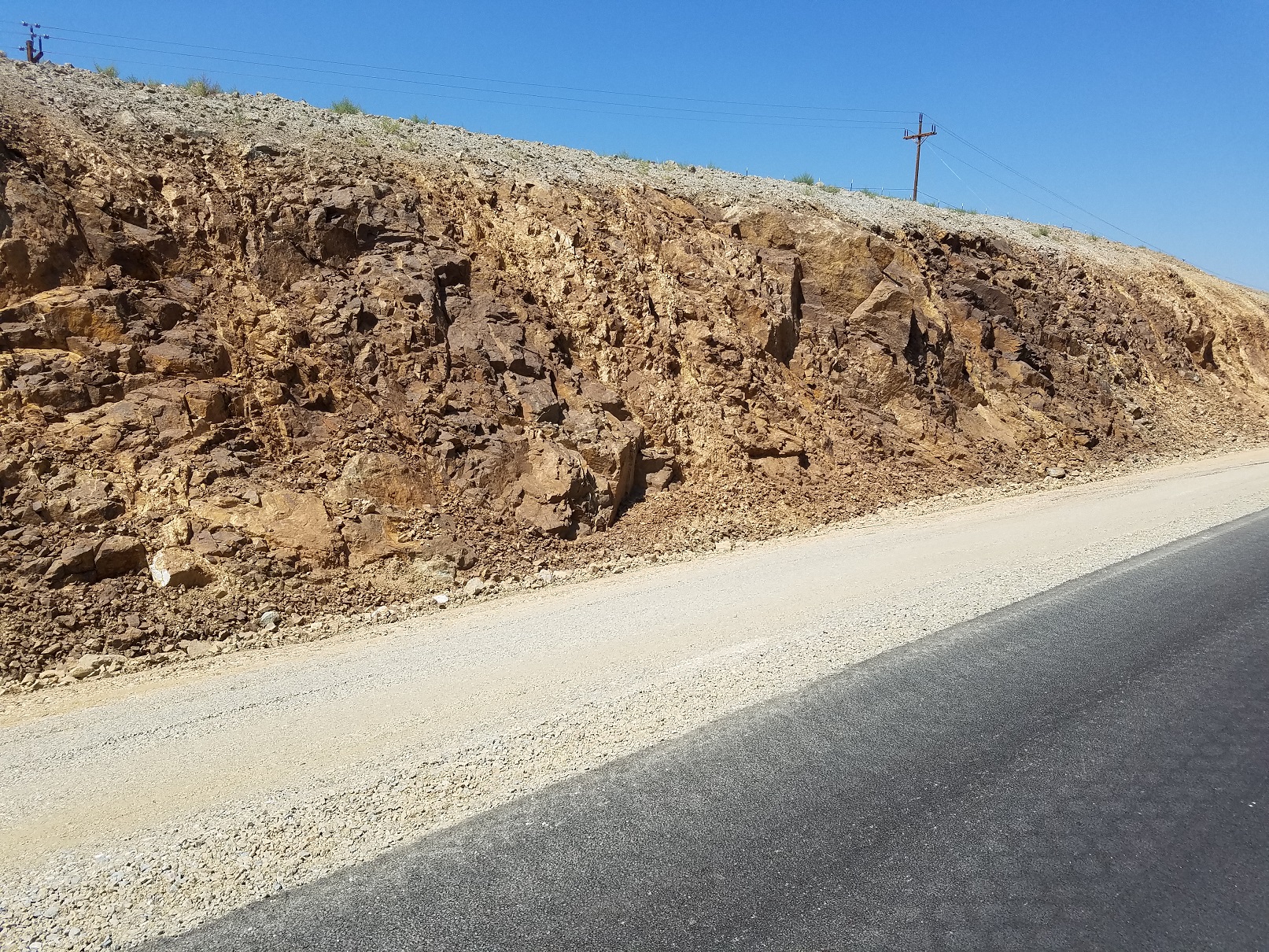
We have used Natina Steel Solutions on several of our cell tower sites to help blend them into the surrounding terrain. We are very impressed with the rustic, natural color. Our clients really appreciate the impact Natina has on the project aesthetics. Natina is a great company to work with, has always met all construction deadlines and is very prompt in getting back to us.
Rusty Lewellen
High Desert Communications
