Wildlife crossings are evolving and the details matter more than ever

Why galvanized steel utility structures are replacing wood poles
March 4, 2026Wildlife crossings are having a moment and for good reason.
Across North America, agencies, engineers and conservation groups are investing in innovative solutions that balance transportation needs with environmental stewardship. Projects like the Wallis Annenberg Wildlife Crossing and Willard Springs Wildlife Overpass demonstrate how thoughtful design can reconnect habitats, reduce wildlife-vehicle collisions and create safer travel corridors for both animals and people. According to the Federal Highway Administration (FHWA), wildlife crossings play an important role in improving habitat connectivity and reducing conflicts between wildlife and transportation networks.1
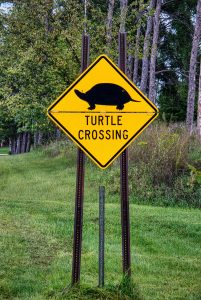
What is a wildlife crossing?
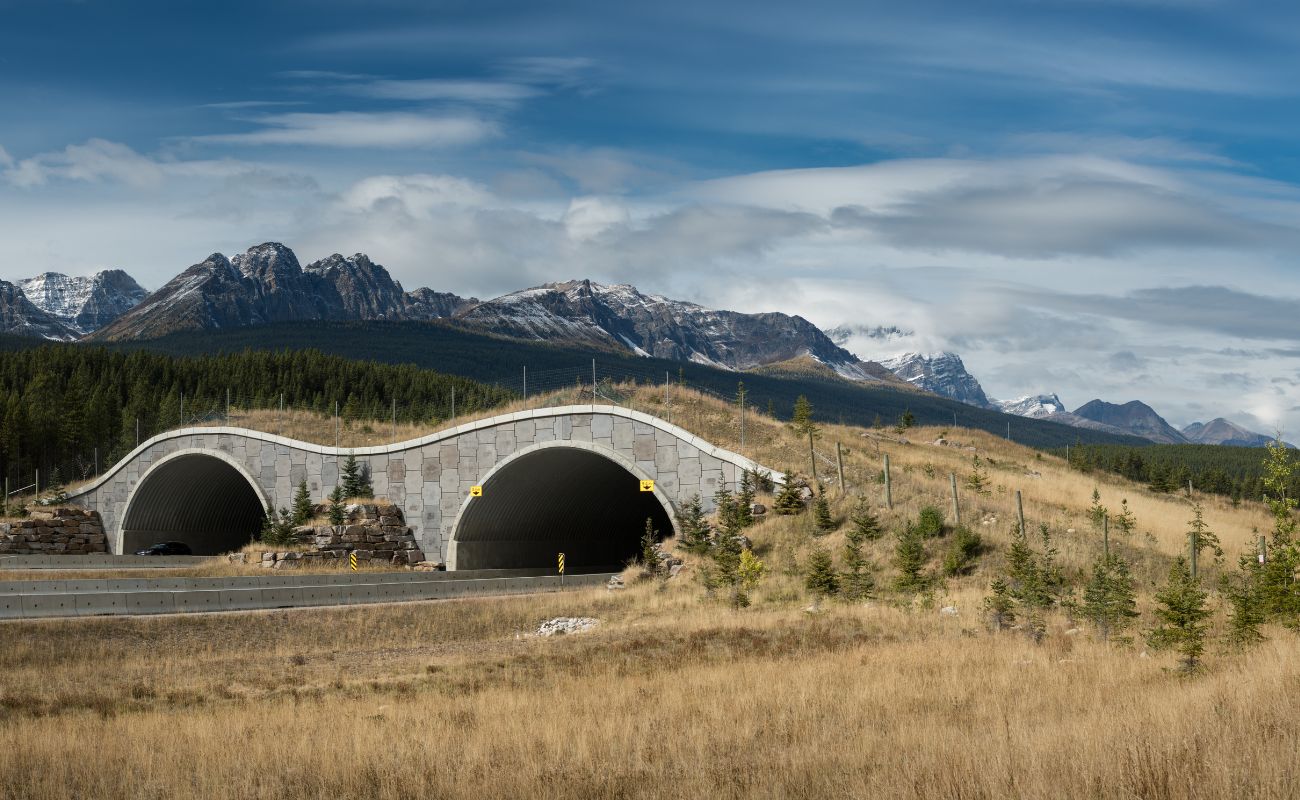
A wildlife crossing is a structure designed to help animals safely cross human-made barriers such as highways, roads, railways and canals.
Common types of wildlife crossings include:
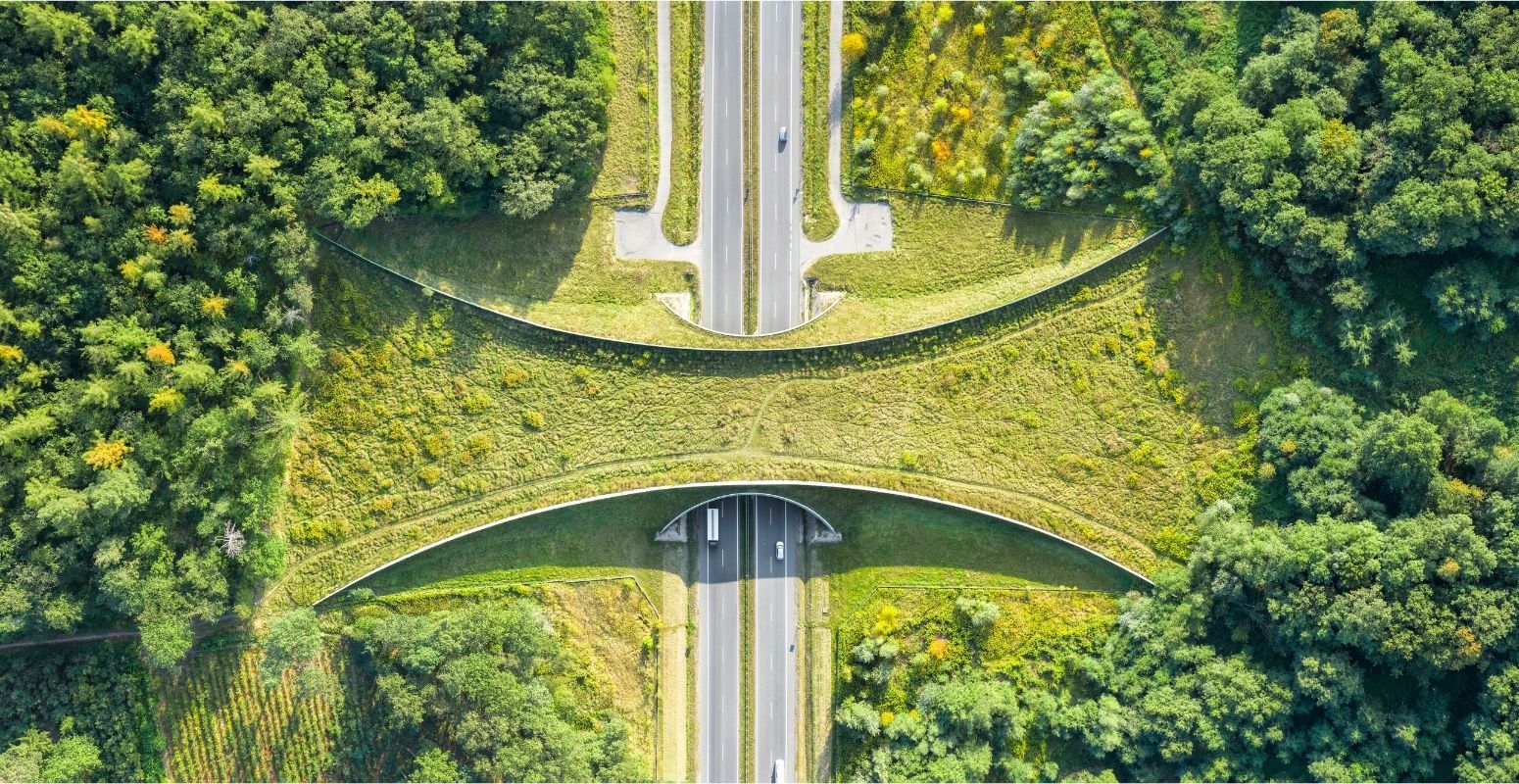
- Wildlife overpasses or land bridges
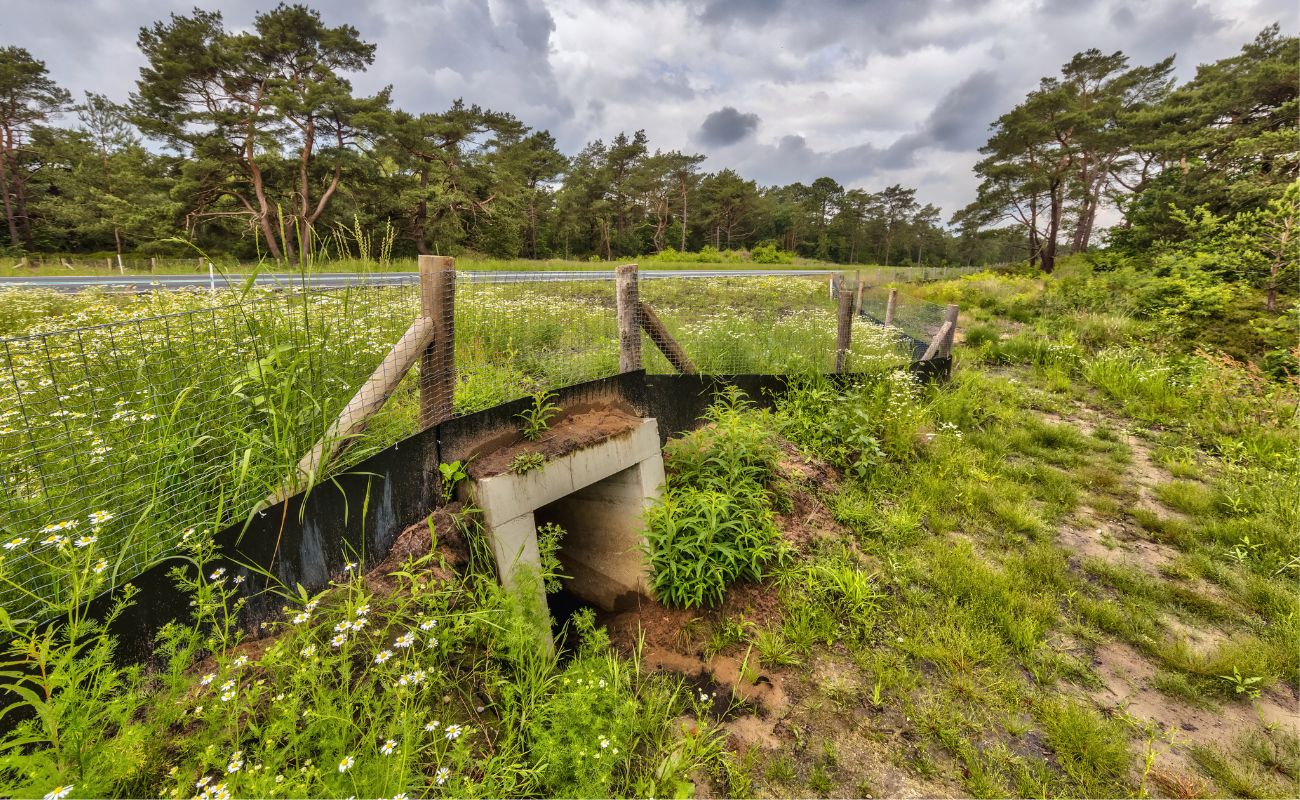
- Wildlife underpasses and tunnels
- Culverts designed for animal movement
- Rope bridges for arboreal species
- Aquatic crossings for fish and amphibians
These structures are often paired with wildlife fencing that guides animals toward designated crossing points, helping reduce wildlife-vehicle collisions and improve crossing effectiveness.2
Not every wildlife crossing looks the same
Wildlife crossings are not one-size-fits-all.
Different species prefer different crossing types based on their behavior, habitat and comfort level. According to the Wyoming Game and Fish Department, some animals are more likely to use open overpasses with natural vegetation and visibility, while others prefer underpasses, tunnels or culverts. Factors such as vegetation, noise levels, lighting and available cover can all influence whether animals use a crossing successfully.3
As a result, modern wildlife crossings are designed around target species, local habitats and migration patterns rather than a standard design approach.
Wallis Annenberg Wildlife Crossing: A global benchmark
The Wallis Annenberg Wildlife Crossing is one of the largest wildlife overpasses in the world.4
Spanning Highway 101 in Los Angeles County, California, the crossing reconnects habitat within the Santa Monica Mountains, creating safe passage for mountain lions, deer, bobcats and other wildlife.
Notable features include:
- Native vegetation designed to replicate surrounding habitat
- A crossing width of approximately 210 feet
- Public-private partnerships supporting project funding
- Collaboration among Caltrans, the National Park Service, the Santa Monica Mountains Conservancy, the Annenberg Foundation and conservation organizations
The project has become an international model for wildlife connectivity and habitat restoration in urbanized environments.4
Willard Springs Wildlife Overpass: Safety meets conservation
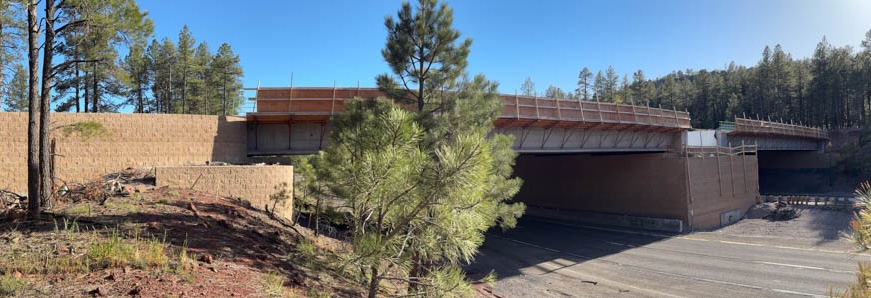
The Willard Springs Wildlife Overpass, located along Interstate 17 near Flagstaff, Arizona, addresses a corridor with a long history of wildlife-vehicle collisions.5
Led by the Arizona Department of Transportation (ADOT) in partnership with the Arizona Game and Fish Department (AZGFD), the project improves driver safety while restoring migration routes for elk, deer and other wildlife.
The crossing includes:
- A dedicated wildlife overpass
- Extensive wildlife fencing
- Habitat connectivity improvements
- Long-term wildlife monitoring
Projects like Willard Springs demonstrate how transportation safety and wildlife conservation can work together.
Other notable wildlife crossings across North America
Wildlife crossings are becoming increasingly common throughout North America as agencies recognize their environmental and safety benefits.
Banff National Park, Canada
Banff National Park is home to one of the most studied wildlife crossing systems in the world. Wildlife overpasses, underpasses and fencing have reduced wildlife-vehicle collisions by more than 80 percent, according to Parks Canada.6
I-90 Snoqualmie Pass, Washington
The I-90 Snoqualmie Pass East Project includes multiple wildlife crossings that support species ranging from elk and deer to amphibians and smaller mammals.7
Robert L.B. Tobin Land Bridge, Texas
Located in San Antonio, this innovative crossing combines habitat connectivity, recreational space and urban design.
Trapper’s Point Wildlife Crossing, Wyoming
One of the earliest large-scale wildlife crossing projects in the United States, Trapper’s Point helps maintain critical migration routes for pronghorn and mule deer.3
Who is involved in wildlife crossing projects?
Successful wildlife crossings require collaboration among multiple organizations and disciplines.
Typical stakeholders include:
- The Federal Highway Administration (FHWA)
- Departments of Transportation (DOTs)
- Federal agencies such as the U.S. Forest Service, Bureau of Land Management and National Park Service
- State wildlife agencies
- Conservation organizations and nonprofits
- Engineers and transportation planners
- Landscape architects and ecologists
- Local governments and communities
This collaboration helps ensure animal crossings meet transportation, environmental and community objectives.
Why wildlife crossings matter
Wildlife crossings provide measurable benefits for both wildlife and people.
Benefits include:
- Reduced wildlife-vehicle collisions
- Improved driver safety
- Restored habitat connectivity
- Protection of wildlife migration routes
- Improved biodiversity and ecosystem health
- Support for environmental and regulatory goals1
They also help agencies and project teams address growing public expectations for environmentally responsible transportation projects.
Frequently asked questions about wildlife crossings
Do wildlife crossings actually work?
Yes. Research from Parks Canada and transportation agencies across North America shows that wildlife crossings combined with fencing can reduce wildlife-vehicle collisions by more than 80 percent in some locations.6
What animals use wildlife crossings?
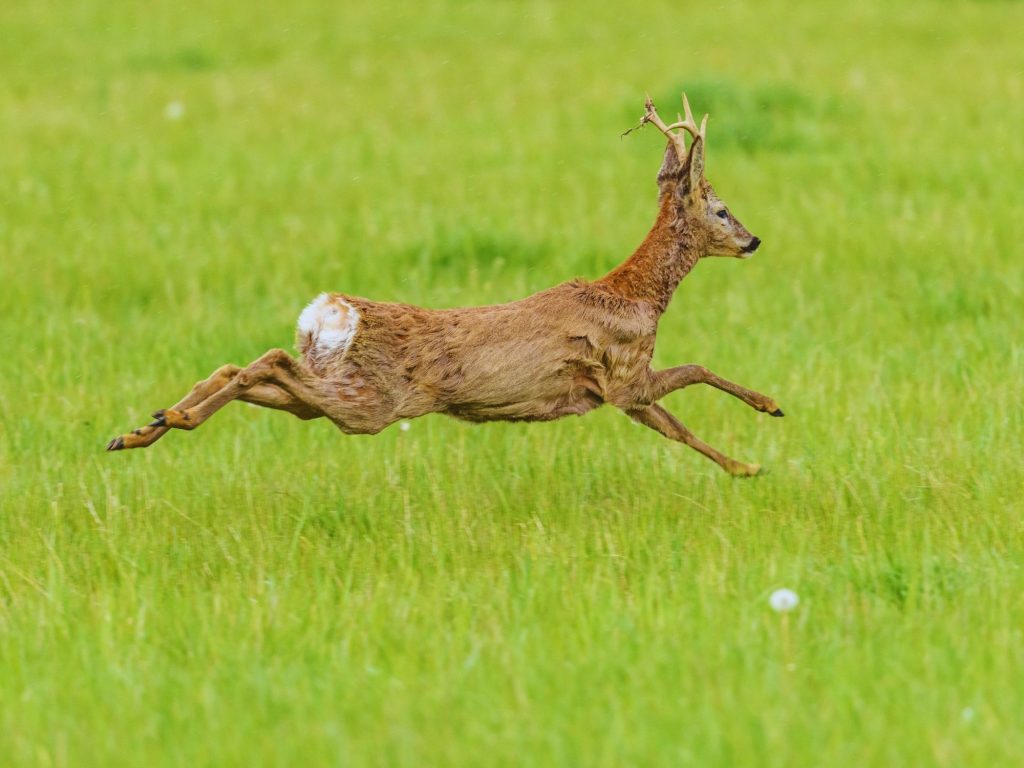
Species vary by region but commonly include deer, elk, moose, mountain lions, bears, bobcats, pronghorn, reptiles, amphibians and smaller mammals.
Why is fencing important in wildlife crossings?
Wildlife fencing helps guide animals toward safe crossing locations. Wildlife fencing plays a critical role in directing animals to designated crossing points and maximizing the effectiveness of wildlife crossings.2
Why do some wildlife crossings go over roads while others go under them?
The design depends on the species being protected and the surrounding landscape. Larger animals such as elk, deer and pronghorn often prefer open overpasses, while some species are more comfortable using underpasses, tunnels or culverts. Wildlife biologists evaluate migration routes, habitat conditions and animal behavior to determine the most effective design.3
Where are wildlife crossings most needed?
Wildlife crossings are most effective in areas where roads, highways or transportation corridors intersect major migration routes, wildlife corridors or sensitive habitats.
Where Natina fits in
Wildlife crossings are not just about the overpass or underpass. They are about all the supporting elements that make these projects successful.
Wildlife fencing, guardrails, retaining walls, sound barriers, structural steel, rock stabilization and drainage features all contribute to a project’s performance, appearance and acceptance by the surrounding community.
As wildlife crossings become more sophisticated, project teams are paying closer attention to how these elements fit within the surrounding landscape.
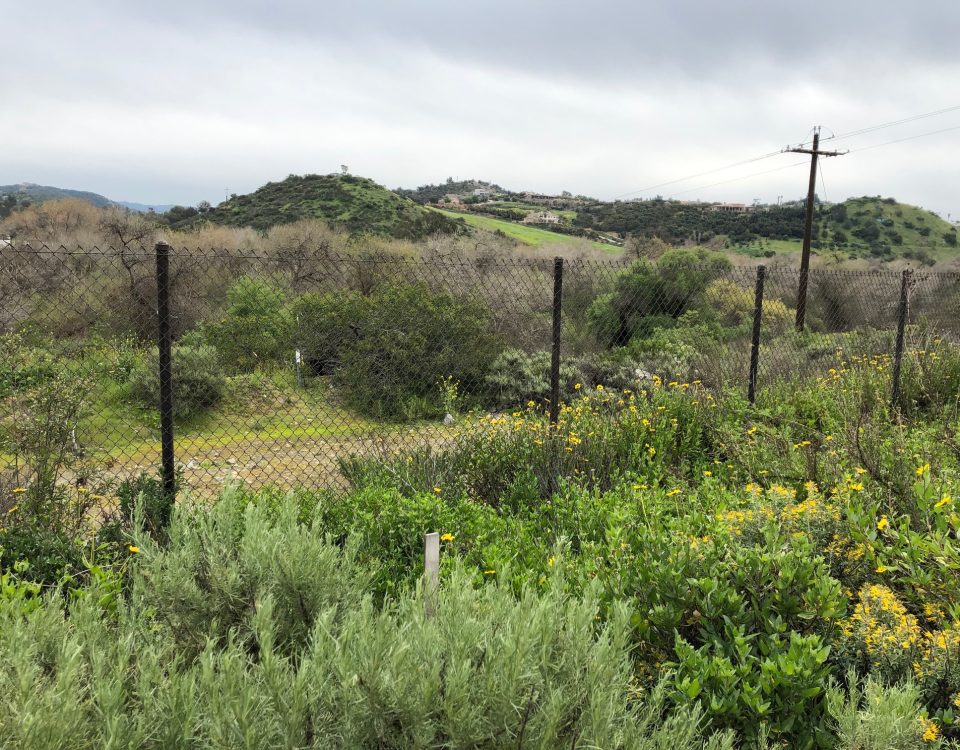
Natina’s reactive color treatment helps steel, concrete and rock features blend into their environment with natural, earthy brown tones while maintaining the durability of the underlying material. Rather than drawing attention to fencing, steel or concrete, Natina helps these elements complement the surrounding landscape.
Where Natina can be used
- Wildlife fencing and animal guidance systems
- Chain-link and perimeter fencing
- Guardrails and roadside safety barriers
- Structural steel on overpasses and crossings
- Concrete retaining walls, abutments and sound barriers
- Rock, riprap and slope stabilization features
- Utility and maintenance access structures
Why it matters
Wildlife crossing projects are designed to reconnect habitats while minimizing impacts on the surrounding environment.
Natina helps project teams reduce visual impact, support environmental objectives and create a more natural appearance for the fencing, steel, concrete and rock features that make these projects possible. It is environmentally safe, low maintenance and suitable for use around sensitive ecosystems.
Connect with Natina
Planning a wildlife crossing, transportation corridor improvement or environmentally sensitive project?
Natina works with transportation agencies, engineers, landscape architects and contractors to help fencing, steel, concrete and rock features blend into their surroundings while maintaining long-term performance.
Contact Natina to discuss your project and learn how we can support your environmental and aesthetic goals.
866-797-6589
info@natina.com
www.natina.com
References
- Federal Highway Administration (FHWA), Wildlife Crossings Program.
https://highways.dot.gov/environment/wildlife-crossings
- Western Transportation Institute, Wildlife Crossing Research.
https://westerntransportationinstitute.org/research_projects/wildlife-crossings/
- Wyoming Game and Fish Department, Over, Under, Around or Through?.
https://wgfd.wyo.gov/wyoming-wildlife/wyoming-wildlife-magazine/over-under-around-or-through
- National Wildlife Federation, Wallis Annenberg Wildlife Crossing.
https://www.nwf.org/Our-Work/Wildlife-Conservation/Wildlife-Crossings/Wallis-Annenberg
- Arizona Department of Transportation, Willard Springs Wildlife Overpass.
https://azdot.gov/projects/northcentral-district-projects/interstate-17-wildlife-overpass
- Parks Canada, Banff Wildlife Crossings.
https://parks.canada.ca/pn-np/ab/banff/nature/conservation/eco/corridors
- Washington State Department of Transportation, I-90 Snoqualmie Pass East Project.
https://wsdot.wa.gov/construction-planning/major-projects/i-90-snoqualmie-pass-east
- U.S. Forest Service, Wildlife Connectivity Resources.
https://www.fs.usda.gov/managing-land/wildlife-crossings
Image credits
- Hero image: Aerial wildlife crossing over highway. Photo credit: bbsferrari/Getty Images.
- Turtle crossing warning sign along a roadway. Photo credit: Tom Fisk/Pexels.
- Square wildlife underpass crossing beneath a roadway: Photo credit: CreativeNature_nl/Getty Images
- Wildlife overpass spanning a highway corridor. Photo courtesy of Natina.
- Wildlife crossing overpass over the Trans-Canada Highway, designed to support wildlife migration and habitat connectivity. Photo credit: Steve Gadomski/Getty Images.
- Aerial view of a wildlife crossing structure spanning a highway. Photo credit: bbsferrari/Getty Images.

Natina
Related posts




Customer Success Stories
We used Natina Rock Solution to help visually mitigate some scarring on a small rock bench in the Yosemite National Park. I was very pleased with the results of the solution and found it to be appropriate and beneficial for this type of use.
Brad Lewis
Yosemite National Park

Natina is the perfect treatment for many landscape projects. When metalwork and concrete are a part of our exterior landscape designs, Natina offers an ideal way to create a natural look for introduced elements. Our office has specified Natina on metal, concrete, and even boulders to achieve the right color for natural landscapes. We’ve used Natina on items that need to function within the urban landscape as barriers and to direct pedestrian movement. The clients also like the low maintenance or need for sealers on the finished product. Natina reps are so helpful in ensuring that the details are addressed for the perfect end result!
Janet Waibel
Waibel & Associates

Thurston County used Natina’s Reactive Color Treatment on our most recent installation of guardrail along Waddell Creek Road and Gate Road. Natina’s final finish provided an aesthetic shade of brown to blend into the beautiful surrounding environment. This natural look was a must-have along Thurston County’s Bountiful Byway.
Brian Meier
Thurston County Public Works

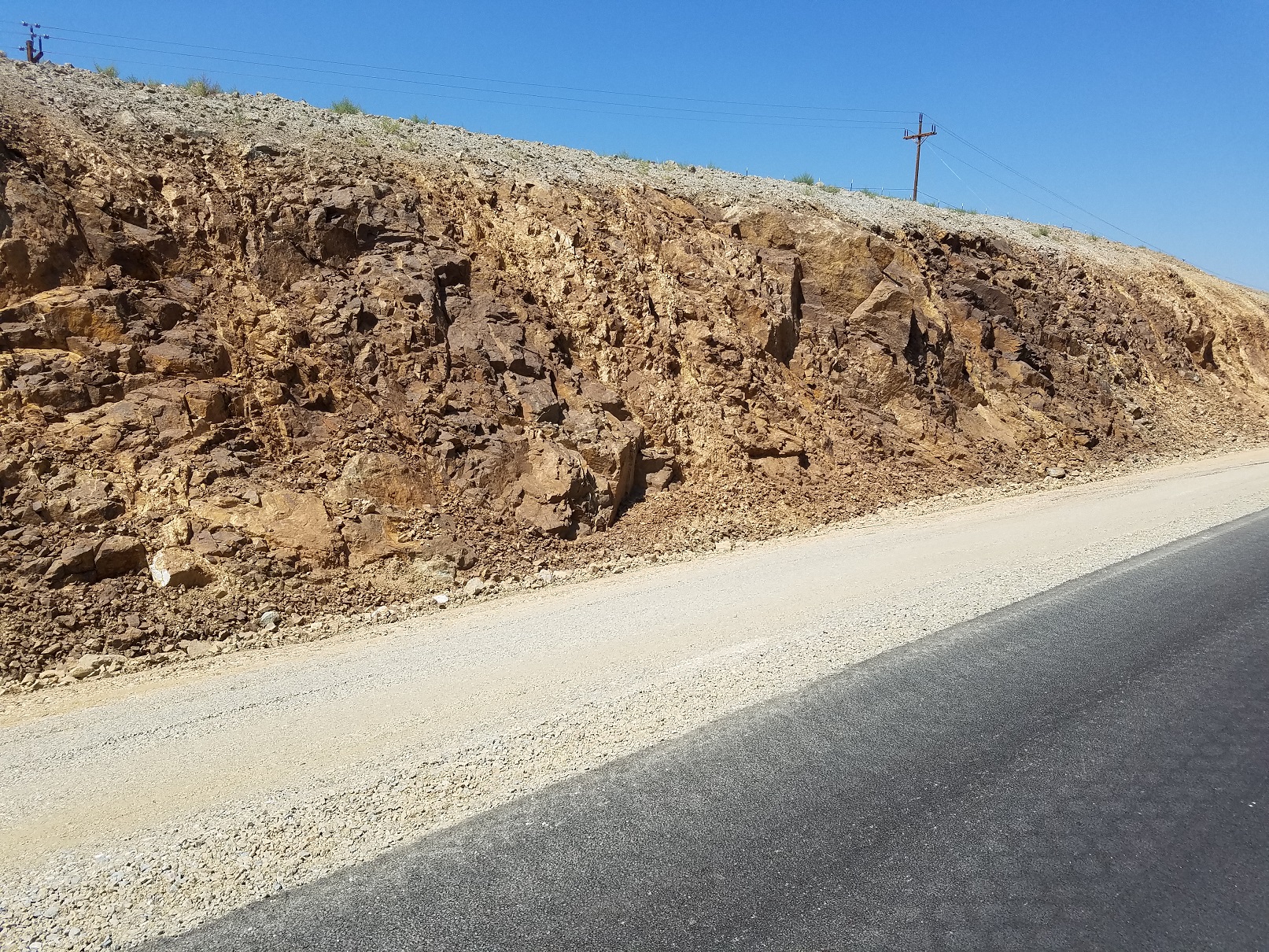
For our project in the Shoshone National Forest, there is a significant color reaction between the Natina Concrete Solution and the shotcrete wall (along with soil-nailing). In just over 2 weeks, the color treatment progress was extremely successful in mitigating the brighter gray surface. In our opinion, it better blends into the slope than the adjacent monotone single color block retaining wall. Natina Solutions plus material costs and two USFS salary days was very cost-effective and saved us time and money.
Darin Martens
U.S. Forest Service

Natina has a wonderful brown hue spectrum for our concrete project’s desert palette. These solutions help to blend bland gray concrete, which is an eyesore, into our desert landscape for a more natural aesthetic. Being environmentally friendly is another reason Natina Solutions are chosen over other products that are calked full of chemicals, VOC’s, and other environmentally unfriendly ingredients. Natina is inexpensive compared to integral colored concrete, helps us get the perfect color we want every time, and we know it will save the project money.
Rob Loftis
MRWM Landscape Architects

I have worked with Natina for years on many guardrail projects throughout Colorado. My team and I have recommended their steel color because of its natural finish. Natina’s environmental stain is a wonderful color alternative to blend in with Colorado’s beautiful mountains. Natina is easy to work with and we have enjoyed our long relationship.
Cyndi Adams
Adarand Constructors

On our recent multi-modal improvement project in Northern Nevada, we wanted to ensure the metal features blended into the surrounding high desert landscape. Natina was an ideal color option to change the shiny metal pedestrian railings and guard rails into a natural, rustic brown. I recommend Natina Steel Solution for projects that need an aesthetic look and color for galvanized metals.
Barb Santner
Stantec

As a guardrail installer, we see miles and miles of guardrail and have worked with various kinds of companies. Gonzales Construction has worked with Natina on many transportation projects over the years. We recommend Natina Steel Solution to other clients over paint, weathering steel and powder coating. We have only had good experiences with them and top-notch customer service. We will continue to use Natina for all of our galvanized surface needs.
Jeremy Gonzales
Gonzales Construction Company, Inc.

Natina was exactly what we needed at the Phoenix Zoo. At our Visayan warty pig habitat, we were looking for a safe product for this species, plus one that would withstand the harsh climate in Arizona, as well as require little upkeep. Natina was approved by our zoo veterinarians for the enclosure and agreed upon by our operations team for the low maintenance factor. The brown finish blended in well for this exhibit and we are happy with the results.
Joe Wilkes
Phoenix Zoo, Arizona Center for Nature Conservation

We have been using Natina for almost 10 years. They have an extraordinary team supporting us with any questions, orders and logistics. The Natina Rock Solution is environmentally-safe and works great on naturalizing and blending the color into its surroundings. The earthy browns created with Natina help us and our clients' projects look beautiful. We look forward to continuing our exceptional relationship with Natina!
Launa Spendlove
Instant Jungle Landscape
We have used Natina Steel Solutions on several of our cell tower sites to help blend them into the surrounding terrain. We are very impressed with the rustic, natural color. Our clients really appreciate the impact Natina has on the project aesthetics. Natina is a great company to work with, has always met all construction deadlines and is very prompt in getting back to us.
Rusty Lewellen
High Desert Communications
