Weathering steel: What it is, downsides and a better alternative

The science and history of desert varnish
October 26, 2026Weathering steel is a low-alloy steel designed to form a rust-like coating, called a patina. The patina is meant to slow further corrosion without paint or another protective coating. However, its performance depends on environmental conditions. Prolonged moisture or salt exposure will interfere with the patina and actually increase corrosion. If weathering steel stays wet for long periods or is exposed to salt, it corrodes faster than conventional steel.
In this article, we will tell you what you need to know before specifying. Plus, we’ll provide alternatives that can give you a similar weathered look without relying on the same environmental conditions.
Key takeaways
- Weathering steel is a low-alloy steel designed to form a rust-like patina.
- Coastal air, high humidity, dense vegetation and exposure to snow or de-icing salt can create conditions where weathering steel performs poorly.
- As the patina develops, rust-colored runoff will stain nearby concrete, stone and pavers, particularly during the early stages of weathering.
- Weathering steel’s performance depends on environmental conditions. Prolonged moisture and salt exposure will accelerate corrosion and shorten its service life.
- Hot-dip galvanized steel with a reactive color treatment can provide a similar weathered appearance without relying on weathering steel.

Weathering steel fence along a bridge.
How does it work?
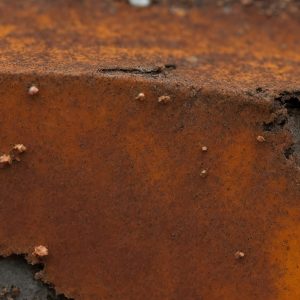
Weathering steel reacts with moisture and oxygen in the air, causing its surface to rust. Over time, this rust can form a protective layer that can slow further corrosion.
For that layer to develop properly, the steel needs regular wet and dry cycles. If it stays wet for extended periods, the protective patina will not stabilize and corrosion can continue at a faster rate than other types of steel.
What is it made of? Which ASTM specs apply?
Weathering steel gets its properties from alloying elements added to the base steel. These can include copper, chromium, nickel and phosphorus. Their specific amounts vary by grade and specification. The most common grades you’ll come across are:
| Grade | Common use |
|---|---|
| A588 | Structural applications like bridges and buildings |
| A606 Type 4 | Thin sheet steel used for exterior panels |
| A709 Grade 50W | Bridge-specific structural steel |

Weathering steel bleeding on concrete
Weathering steel vs. regular steel
Weathering steel and regular carbon steel differ in their composition and how surface corrosion develops. Weathering steel contains alloying elements that influence rust formation, while regular carbon steel typically develops a less adherent rust layer. Neither material provides the same corrosion protection as hot-dip galvanized steel, which uses a zinc coating to provide barrier and cathodic protection.
| Material | Corrosion protection | Works in wet or coastal settings | Maintenance |
|---|---|---|---|
| Weathering steel | Self-forming patina | Limited; requires wet/dry cycling | Low, if conditions are right |
| Painted or powder-coated steel | Barrier coating | Yes, depending on coating system and upkeep | Requires repainting over time |
| Hot-dip galvanized steel | Barrier and cathodic protection | Generally yes; performance depends on exposure | Low |
Galvanized steel provides both barrier protection and cathodic protection, meaning the zinc coating helps protect exposed steel if the coating gets scratched. This protection can be particularly useful in wet or coastal environments where weathering steel may not develop a stable protective patina.
Disadvantages of weathering steel?
Weathering steel has four key limitations to consider when evaluating its use in a project.
1. Environment vulnerability
Weathering steel needs regular wet and dry cycles to develop a stable patina. If the steel stays wet for long periods, the patina may not stabilize and corrosion can continue.
A few environments cause real problems:
- High-chlorine environments can break down the patina, speeding up corrosion and shortening the life of the structure well before its intended lifespan.
- Coastal or high-humidity regions with salty air and areas where water tends to pool are especially risky.
- Dense vegetation traps moisture against the steel. American Electric Power found this exact combination led to serious ground-line corrosion and thinning steel walls on utility structures.
- High-precipitation or snow-heavy areas keep the steel wet more often, which means no dry cycle and no stable patina.
- Poor detailing or outdated specs, where moisture gets into joints or flat coatings trap water, often lead to what’s called pack-out corrosion, a buildup of rust in tight spots.
If the environment doesn’t give the steel regular chances to dry out, the patina won’t form properly and corrosion can take over.
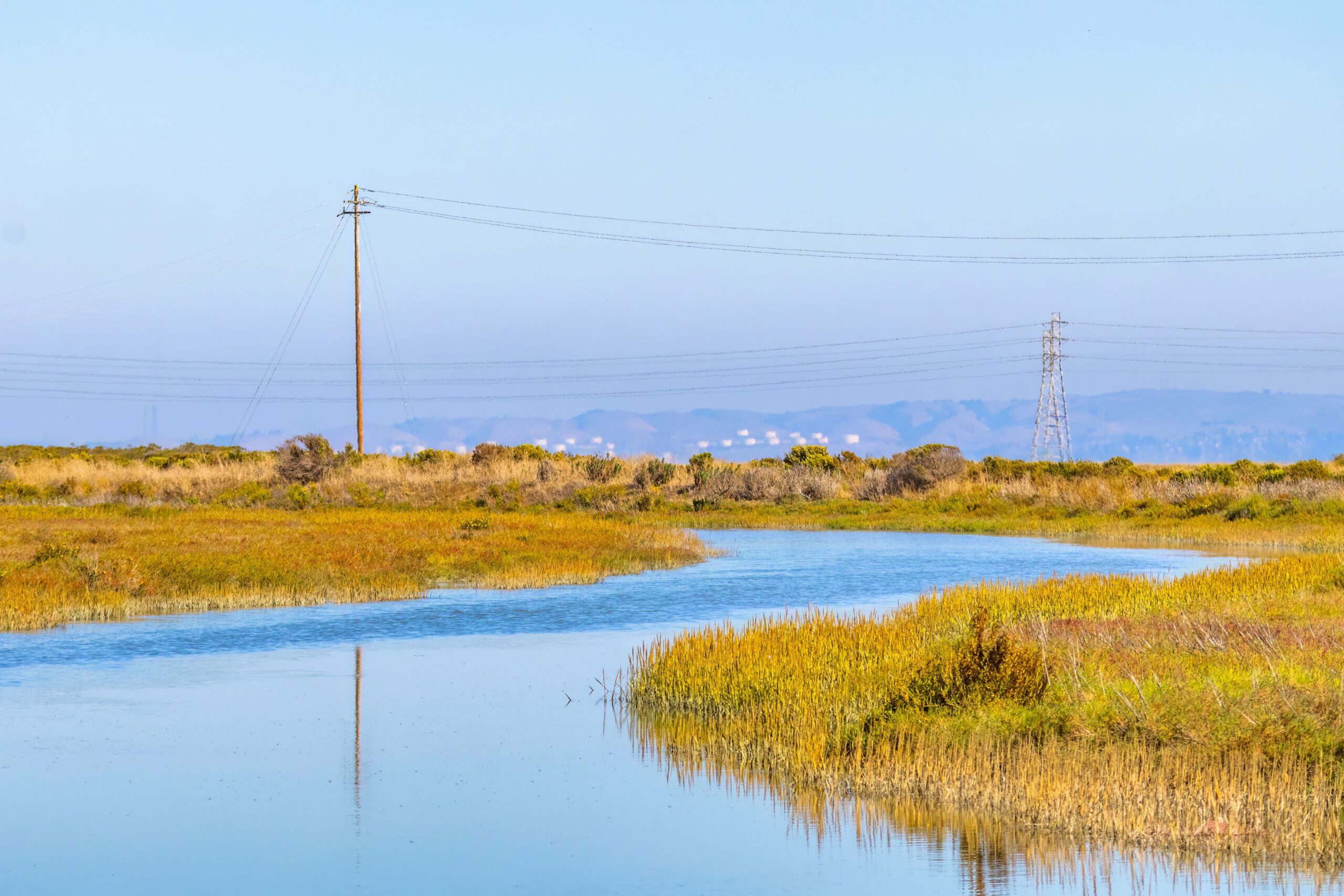
Photo credit: Robert So | Pexels
2. Rust bleeding and staining
As the patina forms, rust-laden runoff can wash onto nearby surfaces. This “bleeding” stains concrete, stone, brick and adjacent surfaces, and it’s worst in the first two years while the patina is developing. For projects where appearance matters (and it almost always does), this can be a dealbreaker. Those stains are also hard to clean once they set in.
3. Maintenance considerations
Weathering steel is often described as low maintenance, but its performance depends on proper design and environmental conditions. Projects may require:
- Engineer proper drainage and drip details
- Seal or protect the surfaces nearby that could get stained
- Sometimes add gravel borders to catch runoff
These considerations can add to the design, installation and ongoing maintenance requirements.
4. Color development and sourcing
Weathering steel develops its color over time, often taking years to reach a more stable appearance. Color varies based on orientation, climate and exposure, which can make it difficult to predict the final appearance.
Weathering steel can also be harder to source than standard carbon steel. This may result in longer lead times, additional fabrication considerations and higher material costs. These considerations can add to the design, installation and ongoing maintenance requirements.
An alternative to weathering steel: Galvanized steel with natural color
For many projects, the goal is the weathered brown appearance rather than weathering steel itself. The challenge is getting that finish without relying on the environmental conditions required to develop a stable weathering steel patina.
Hot-dip galvanized steel provides corrosion protection and can perform well in wet and coastal environments. Natina Steel Solution adds natural brown tones through a Reactive Color Treatment, with color developing over weeks rather than the years associated with weathering steel. Natina provides the weathered appearance while reducing concerns associated with weathering steel, such as prolonged patina development and rust runoff onto nearby surfaces.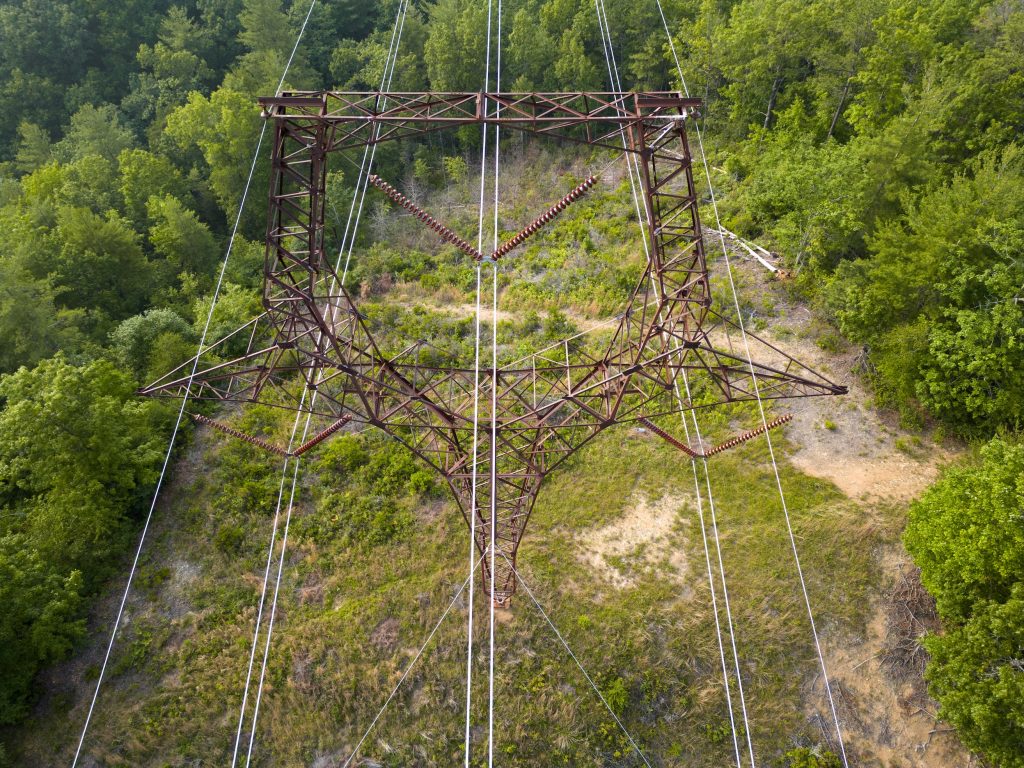
How Natina adds natural color to galvanized steel
Natina Steel Solution is a patented Reactive Color Treatment that reacts with the zinc coating on galvanized steel to create natural brown tones and a mottled, weathered appearance. The treatment does not add measurable thickness or compromise the galvanizing that protects the steel underneath.
Here’s how Natina addresses several of the limitations associated with weathering steel:
- Corrosion protection across different environments: Galvanized steel provides corrosion protection in a variety of conditions, including wet and coastal environments.
- Performance depends on environmental exposure.
- No rust runoff: Natina does not produce the rust-laden runoff associated with weathering steel.
- Faster color development: Natina’s color typically develops within 8 weeks, compared with the years weathering steel may need to develop its mature appearance.
- Low maintenance: Natina creates a natural weathered finish without a painted coating that can chip, peel or flake.
- Flexible application: Natina-trained crews can apply the treatment at a facility or on-site, depending on project requirements.
- Potential lifecycle cost savings: Depending on the application, Natina-treated galvanized steel may offer cost advantages when considering materials, finishing and maintenance.
For structures near sensitive landscapes, such as utility poles bordering a national forest, Natina combines the corrosion protection of galvanized steel with a natural-looking finish that helps reduce visual contrast.
Utility companies, transportation departments and park services face similar challenges. Their infrastructure must withstand environmental conditions while minimizing visual impact.
If your project calls for hot-dip galvanized steel but requires a more natural appearance, Natina can help. Contact us for expert guidance on planning your next construction project!
Frequently Asked Questions
Does weathering steel stop rusting?
No. Weathering steel is designed to rust on purpose. The rust forms a tight, protective layer that slows further corrosion, rather than preventing rust altogether.
Does weathering steel stain adjacent surfaces?
Yes. As the patina forms, rust-laden runoff can stain nearby surfaces, including concrete, stone, brick and pavers. This staining, sometimes called bleeding, is often most noticeable during the first one to two years.
Can you use weathering steel near the coast or in humid climates?
It’s risky. Coastal air, salt, and constant humidity can prevent the patina from stabilizing, which leads to faster corrosion instead of the protection weathering steel is known for.
Is weathering steel the same as Cor-ten?
Cor-ten (also spelled Corten) is a trademarked brand of weathering steel originally developed by U.S. Steel. The names are often used interchangeably to describe the same type of material.
Is weathering steel stronger than regular steel?
Weathering steel is a high-strength, low-alloy steel. Its strength depends on the specific grade and can be comparable to conventional structural steel.
What makes weathering steel last longer or wear out faster?
Weathering steel can last for decades under suitable environmental conditions. However, prolonged moisture, coastal exposure and de-icing salts can accelerate corrosion and shorten its service life.
What is an alternative to weathering steel?
Hot-dip galvanized steel treated with Natina Steel Solution offers a similar weathered appearance while retaining the corrosion protection of galvanizing. The treatment develops natural brown tones in weeks rather than years, and the galvanized steel can perform well in wet and coastal environments, depending on exposure conditions.
Can galvanized steel be made to look like weathering steel?
Yes. Natina Steel Solution uses a Reactive Color Treatment to create a natural, weathered earthy finish on galvanized steel. The color typically develops within 8 weeks rather than the years weathering steel may require.

Natina
Related posts



Customer Success Stories
We used Natina Rock Solution to help visually mitigate some scarring on a small rock bench in the Yosemite National Park. I was very pleased with the results of the solution and found it to be appropriate and beneficial for this type of use.
Brad Lewis
Yosemite National Park

Natina is the perfect treatment for many landscape projects. When metalwork and concrete are a part of our exterior landscape designs, Natina offers an ideal way to create a natural look for introduced elements. Our office has specified Natina on metal, concrete, and even boulders to achieve the right color for natural landscapes. We’ve used Natina on items that need to function within the urban landscape as barriers and to direct pedestrian movement. The clients also like the low maintenance or need for sealers on the finished product. Natina reps are so helpful in ensuring that the details are addressed for the perfect end result!
Janet Waibel
Waibel & Associates

Thurston County used Natina’s Reactive Color Treatment on our most recent installation of guardrail along Waddell Creek Road and Gate Road. Natina’s final finish provided an aesthetic shade of brown to blend into the beautiful surrounding environment. This natural look was a must-have along Thurston County’s Bountiful Byway.
Brian Meier
Thurston County Public Works

For our project in the Shoshone National Forest, there is a significant color reaction between the Natina Concrete Solution and the shotcrete wall (along with soil-nailing). In just over 2 weeks, the color treatment progress was extremely successful in mitigating the brighter gray surface. In our opinion, it better blends into the slope than the adjacent monotone single color block retaining wall. Natina Solutions plus material costs and two USFS salary days was very cost-effective and saved us time and money.
Darin Martens
U.S. Forest Service

Natina has a wonderful brown hue spectrum for our concrete project’s desert palette. These solutions help to blend bland gray concrete, which is an eyesore, into our desert landscape for a more natural aesthetic. Being environmentally friendly is another reason Natina Solutions are chosen over other products that are calked full of chemicals, VOC’s, and other environmentally unfriendly ingredients. Natina is inexpensive compared to integral colored concrete, helps us get the perfect color we want every time, and we know it will save the project money.
Rob Loftis
MRWM Landscape Architects

I have worked with Natina for years on many guardrail projects throughout Colorado. My team and I have recommended their steel color because of its natural finish. Natina’s environmental stain is a wonderful color alternative to blend in with Colorado’s beautiful mountains. Natina is easy to work with and we have enjoyed our long relationship.
Cyndi Adams
Adarand Constructors

On our recent multi-modal improvement project in Northern Nevada, we wanted to ensure the metal features blended into the surrounding high desert landscape. Natina was an ideal color option to change the shiny metal pedestrian railings and guard rails into a natural, rustic brown. I recommend Natina Steel Solution for projects that need an aesthetic look and color for galvanized metals.
Barb Santner
Stantec

As a guardrail installer, we see miles and miles of guardrail and have worked with various kinds of companies. Gonzales Construction has worked with Natina on many transportation projects over the years. We recommend Natina Steel Solution to other clients over paint, weathering steel and powder coating. We have only had good experiences with them and top-notch customer service. We will continue to use Natina for all of our galvanized surface needs.
Jeremy Gonzales
Gonzales Construction Company, Inc.

Natina was exactly what we needed at the Phoenix Zoo. At our Visayan warty pig habitat, we were looking for a safe product for this species, plus one that would withstand the harsh climate in Arizona, as well as require little upkeep. Natina was approved by our zoo veterinarians for the enclosure and agreed upon by our operations team for the low maintenance factor. The brown finish blended in well for this exhibit and we are happy with the results.
Joe Wilkes
Phoenix Zoo, Arizona Center for Nature Conservation

We have been using Natina for almost 10 years. They have an extraordinary team supporting us with any questions, orders and logistics. The Natina Rock Solution is environmentally-safe and works great on naturalizing and blending the color into its surroundings. The earthy browns created with Natina help us and our clients' projects look beautiful. We look forward to continuing our exceptional relationship with Natina!
Launa Spendlove
Instant Jungle Landscape
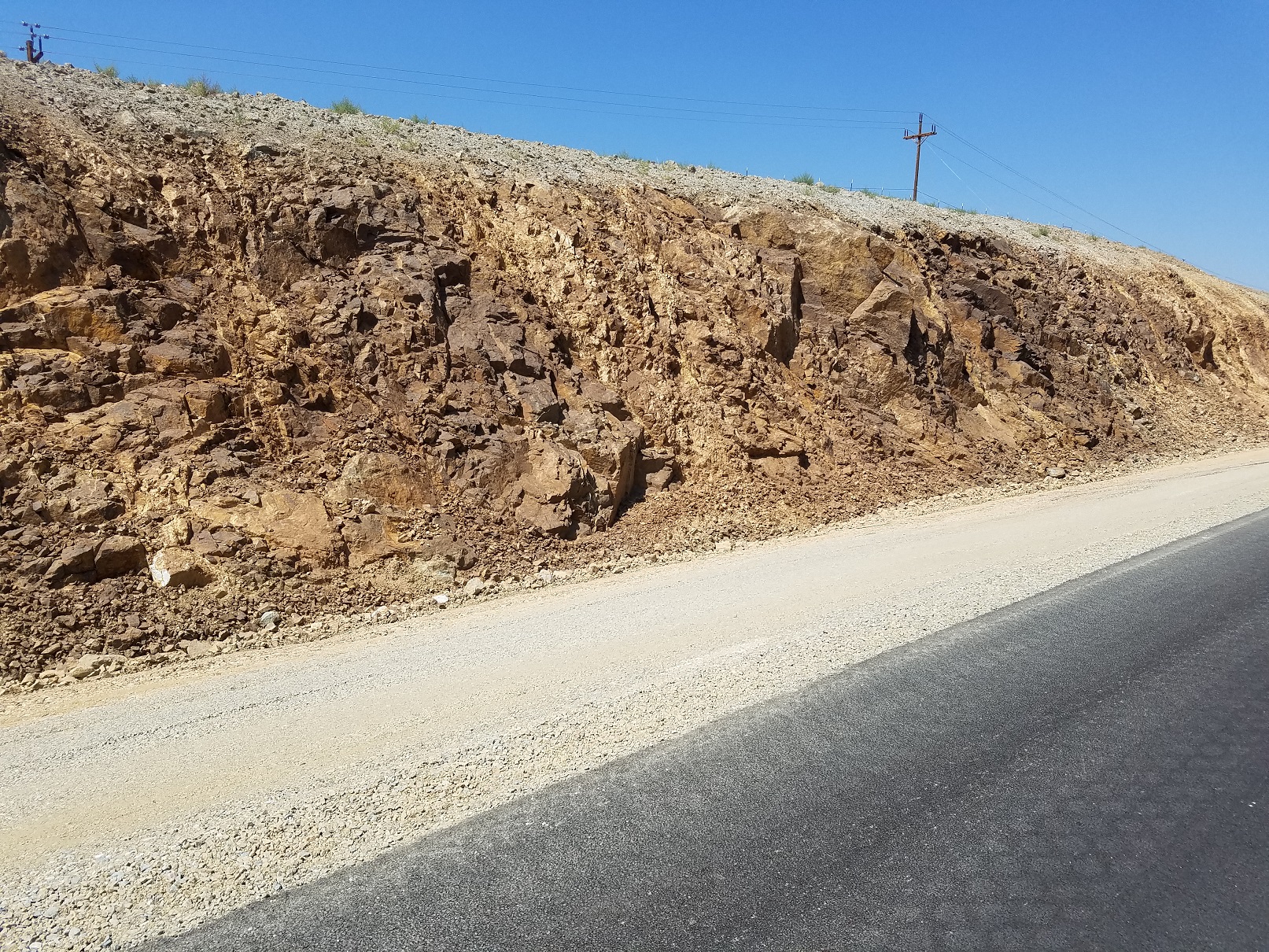
We have used Natina Steel Solutions on several of our cell tower sites to help blend them into the surrounding terrain. We are very impressed with the rustic, natural color. Our clients really appreciate the impact Natina has on the project aesthetics. Natina is a great company to work with, has always met all construction deadlines and is very prompt in getting back to us.
Rusty Lewellen
High Desert Communications
